—— xAI Deploys On-Site Engineers to Poach Enterprise Clients; Unilever and McCormick Explore $33B Landmark Deal; JPMorgan Trials “Digital Footprint” Monitoring to Curb Overwork; Blackstone Crushes $12B Target for Asia-Pacific Fund; NBA Kickstarts $10B Expansion Push; Hormuz Reopening Talks Collapse as Tehran Shifts to Survival; Unitree Robotics Files for $610M Shanghai IPO.
1. xAI Deploys On-Site Engineers to Poach Enterprise Clients
In an aggressive bid to challenge the dominance of OpenAI and Anthropic, Elon Musk’s xAI is dispatching engineers directly to the offices of corporate prospects to facilitate hands-on integration. The high-touch strategy has already yielded a significant win: payments giant Shift4 Payments Inc. announced plans to phase out OpenAI’s ChatGPT in favor of xAI’s Grok for customer service operations. While Shift4 will continue utilizing Anthropic’s Claude for specialized coding tasks, the pivot to Grok marks a tactical victory for xAI in the highly competitive 2026 enterprise AI landscape.
This commercial offensive follows a period of profound structural turbulence for the startup. After a rocky start to 2026—marked by a mass exodus of co-founders and regulatory backlash over Grok’s image generation safety—xAI was folded into SpaceX in a landmark $1.25 trillion merger. The move is part of a broader “rebuild” orchestrated by Musk, who is now leveraging top talent from Tesla and SpaceX to shore up xAI’s fundamental infrastructure. As rivals like OpenAI partner with private equity to scale their own deployment arms, xAI’s “white-glove” approach signals a shift toward hyper-personalized corporate service.
The race is no longer just about model benchmarks, but which AI firm can most effectively embed its engineers into the daily workflows of the world’s largest enterprises.
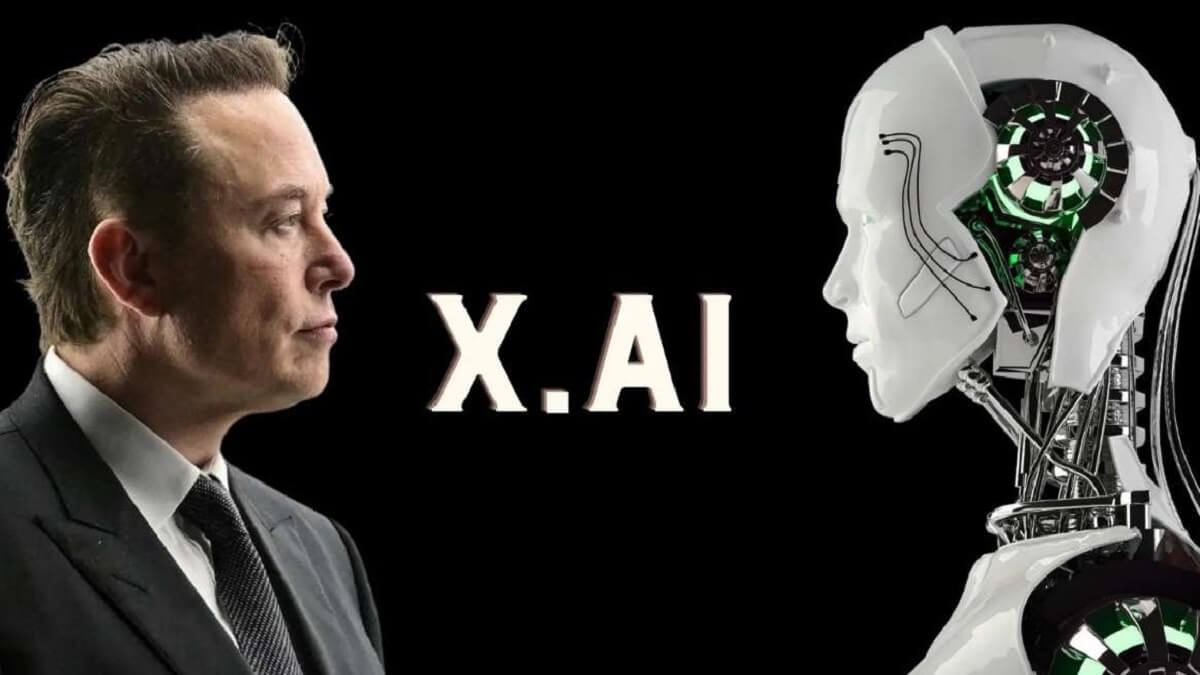
Bloomberg – xAI Sends Engineers to Client Sites to Win Business from OpenAI
______
2. Unilever and McCormick Explore $33B Landmark Deal
Navigating a profound structural shift after nearly a century in the grocery aisles, Unilever Plc confirmed Friday it is in talks to sell its iconic food business to McCormick & Co. The Maryland-based spice maker has issued an offer for the division—home to global staples like Knorr and Hellmann’s—which analysts value at approximately €29 billion ($33 billion). A successful acquisition would represent the largest transaction in McCormick’s history, effectively doubling its footprint in the global condiments market.
The negotiations represent the ultimate acceleration of CEO Fernando Fernandez’s “Beauty & Wellbeing” mandate. Following the spinoff of its ice cream arm in late 2025, a full exit from the food sector would transform Unilever into a pure-play personal care titan, competing directly with L’Oréal and Estée Lauder for higher-margin growth. While the board cautioned that no deal is certain, the proposed structure would likely involve a tax-efficient Reverse Morris Trust to navigate the valuation gap between the two firms.
London-listed shares of Unilever are trending higher as the market welcomes the prospect of decoupling a stagnant food sector from its high-performing premium skincare and hygiene portfolios in early 2026.

Bloomberg – Unilever Looks to Offload $33 Billion Food Arm to McCormick
______
3. JPMorgan Trials “Digital Footprint” Monitoring to Curb Overwork
Navigating a precarious balance between relentless productivity and mental health, JPMorgan Chase & Co. has launched a monitoring program to protect its junior investment bankers from burnout. The pilot initiative, first reported by the Financial Times, matches hours logged by employees against their real-time digital activity, including keystrokes, video calls, and scheduled meetings. While the bank maintains the tool is a “transparency dashboard” akin to a smartphone’s screen-time summary rather than an enforcement mechanism, the move signals a high-tech pivot in managing the grueling culture of high-finance.
The program addresses a long-standing friction point in the war for young talent. While entry-level analyst roles now command salaries upwards of $200,000, the industry’s attrition rates remain a persistent challenge in early 2026. By quantifying the digital footprint of its most junior staff, JPMorgan aims to foster more open conversations about workload distribution and prevent systemic exhaustion.
Currently, the broader investment banking sector is watching the rollout closely, as the strategy could either set a new standard for corporate empathy or intensify the feeling of constant surveillance among the next generation of Wall Street elites.
Bloomberg – JPMorgan Starts Program to Monitor Junior Banker Hours
______
4. Blackstone Crushes $12B Target for Asia-Pacific Fund
Blackstone Inc. has secured more than $12 billion for its latest Asia-Pacific buyout fund, signaling robust investor appetite for the region’s top-tier managers despite a global slump in private equity fundraising. The vehicle, Blackstone Capital Partners Asia III, has comfortably exceeded its original $10 billion target and is nearing its $12.9 billion hard cap. According to sources familiar with the matter, the fund is expected to hold a final close in the coming weeks, providing the New York-based firm with significant dry powder to deploy across Japan, India, and Australia in early 2026.
The fund’s success offers a stark contrast to a broader industry “dearth of exits” that has squeezed institutional liquidity. While high interest rates have made many investors loath to commit fresh capital, Blackstone’s track record in its predecessor Asia funds provided a critical edge. The strategic pivot toward Japan’s corporate carve-outs and India’s burgeoning infrastructure sector has become a cornerstone of the firm’s regional returns strategy. Currently, as Deloitte reports a significant contraction in overall APAC buyout activity, Blackstone’s ability to command an 11-figure commitment underscores its dominance in an increasingly bifurcated market.
Investors are closely watching the fund’s first moves, as the firm looks to capitalize on shifting valuations and credit re-ratings across the Pacific Rim this fiscal year.
Bloomberg – Blackstone Raises $12 Billion for Asia PE Fund as It Nears Close
______
5. NBA Kickstarts $10B Expansion Push
Positioning itself for a multi-billion dollar windfall, the National Basketball Association has entered preliminary discussions with investment banks to facilitate its most ambitious expansion in decades. Sources familiar with the matter indicate that the league, advised by PJT Partners for months, is now vetting firms to lead a formal sale process for two new expansion slots. The talks arrive just days before a pivotal Board of Governors vote scheduled for next week, which will determine whether the NBA officially moves forward with its first franchise additions since 2004.
The roadmap for expansion follows the league’s successful clearing of major financial hurdles in 2024. Commissioner Adam Silver, who once described expansion as the league’s “manifest destiny,” has systematically checked off prerequisites: a new collective bargaining agreement and a record-breaking $76 billion media rights deal. The projected entry fees for the new franchises are expected to command massive premiums, reflecting the skyrocketing valuations of premium sports IP. Currently, while Seattle and Las Vegas are widely viewed as frontrunners, the formal selection of investment banks signals that the league is moving from strategic theorizing to aggressive commercial execution.
Market analysts anticipate fierce bidding wars involving tech titans and private equity syndicates as the NBA prepares to monetize its global brand at an unprecedented scale this fiscal year.

Bloomberg – NBA Begins Talks With Investment Banks About Adding New Teams
______
6. Hormuz Reopening Talks Collapse as Tehran Shifts to Survival
The prospect of restoring commercial traffic through the Strait of Hormuz has vanished into a strategic deadlock as Iranian officials pivot toward surviving a sustained U.S.-Israeli military offensive. Sources involved in high-level contacts with Tehran indicate that the recent assassination of security chief Ali Larijani and systematic strikes on energy infrastructure have effectively ended discussions on maritime reopening. The news sent shockwaves through global markets Friday afternoon, with Brent crude jumping back above $110 a barrel while U.S. crude futures surged more than 2.5%.
The paralysis of the world’s most critical energy chokepoint marks a failure of recent European diplomatic initiatives. Efforts led by the U.K. and France to organize post-war naval escorts have lost momentum as the conflict shows no sign of de-escalation. In Brussels, European Union leaders expressed growing alarm over a sustained price shock, as confidence wanes in a viable U.S.-led exit strategy. Currently, the shift in Tehran’s posture from negotiation to total resistance suggests that the global economy must brace for deeper structural disruptions in early 2026.
Market analysts are now pricing in a prolonged blockade, potentially forcing a massive re-routing of global energy supplies and anchoring inflation far above central bank targets for the foreseeable future.

Bloomberg – Iran Unwilling to Talk About Opening Hormuz While US Attacks
______
7. Unitree Robotics Files for $610M Shanghai IPO
Capitalizing on the global frenzy for embodied AI, Unitree Robotics officially filed for an initial public offering on Shanghai’s tech-heavy STAR board this Friday. The Hangzhou-based firm aims to raise approximately 4.2 billion yuan ($610 million) to accelerate the development of specialized AI models for robotics and expand its high-tech manufacturing footprint. The filing marks a critical step for the startup, which gained international prominence last year after founder Wang Xingxing represented the sector in high-level discussions with China’s top leadership.
The IPO arrives as Beijing doubles down on “future industries” to anchor economic growth in 2026. Following Premier Li Qiang’s recent pledge to foster robotics and brain-computer interfaces, Unitree has become a poster child for China’s shift toward “new quality productive forces.” The surge in investor interest follows a string of viral demonstrations, including robots completing marathons and performing complex industrial maneuvers. While the sector remains capital-intensive, Unitree’s move to secure a domestic listing signals its intent to lead the next generation of general-purpose robotics.
Currently, market analysts are closely monitoring the prospectus for details on the company’s proprietary Large Language Model (LLM) integration, viewed as the key differentiator in the race to achieve true autonomous humanoid dexterity this fiscal year.

Bloomberg – Chinese Robot Maker Unitree Seeks $610 Million in Shanghai IPO
______